May 27, 2026

admin

Cryptocurrency coins value serves as a window into the vibrant and often volatile world of digital currencies. As the digital economy continues to evolve, understanding the dynamics that influence the value of cryptocurrency coins becomes increasingly essential for investors and enthusiasts alike. This exploration delves into the technology, market factors, and investment strategies that shape the landscape of cryptocurrency coins.

From the foundational concepts of blockchain and decentralization to the various types of cryptocurrency coins such as stablecoins and utility tokens, there’s much to unpack. Moreover, recognizing the factors that drive value, including supply and demand, market sentiment, and regulatory impacts, is crucial for anyone looking to navigate this complex terrain.

Understanding Cryptocurrency Coins

Cryptocurrency coins have revolutionized the way we perceive value and financial transactions in the digital age. These virtual currencies operate independently of a central authority, enabling users to conduct transactions in a decentralized and secure manner. The underlying technology that powers these coins plays a crucial role in ensuring their safety and functionality, making them a significant component of the modern digital economy.The technology behind cryptocurrency coins primarily revolves around blockchain—a distributed ledger technology that records all transactions across a network of computers.

This decentralization not only enhances security but also ensures transparency, as each transaction is visible and verifiable by all users on the network.

Types of Cryptocurrency Coins

There are various types of cryptocurrency coins, each serving different purposes within the digital ecosystem. Understanding these distinctions is essential for anyone looking to navigate the cryptocurrency market effectively. The main types include:

  • Coins: These are standalone cryptocurrencies that operate on their own blockchain, like Bitcoin and Litecoin.
  • Tokens: These are built on existing blockchains and can represent a variety of assets or utilities, like Ethereum’s ERC-20 tokens.
  • Stablecoins: These coins aim to maintain a stable value by pegging themselves to traditional fiat currencies or commodities, such as USDT (Tether).
  • Utility Tokens: These provide access to a product or service within a blockchain ecosystem, often used in ICOs to raise funds for projects.

Factors Influencing Cryptocurrency Coin Value

Understanding the factors that influence the value of cryptocurrency coins is essential for investors and enthusiasts alike. The value of these coins is not static; it fluctuates based on various market dynamics and external influences.The primary factors that determine the value of cryptocurrency coins include supply and demand. When demand for a particular coin increases while its supply remains limited, its price tends to rise.

Conversely, if supply outstrips demand, prices may fall.

Market Sentiment and Regulatory Changes

Market sentiment, driven by news, social media, and public perception, plays a significant role in the pricing of cryptocurrency coins. Positive news, such as institutional investments or regulatory approvals, can lead to price surges. In contrast, negative news, like security breaches or regulatory crackdowns, can result in sharp declines.Additionally, regulatory changes can have profound impacts on cryptocurrency values. Regions implementing favorable regulations often see increased investment and adoption, while stringent regulations can stifle growth and lead to market volatility.

Methods for Valuing Cryptocurrency Coins

The Case for Including Cryptocurrency Trading in Your Investment Portfolio

Valuing cryptocurrency coins involves various analytical methods that help investors make informed decisions. Two of the most popular methods are fundamental analysis and technical analysis.Fundamental analysis focuses on evaluating a coin’s underlying technology, market adoption, and overall potential for growth. In contrast, technical analysis examines price trends and patterns using historical data to predict future movements.

Valuation Metrics

Altcoins could provide a green solution to energy-guzzling ...

To further understand cryptocurrency valuations, here are key metrics that investors often consider:

Metric Description
Market Cap Total value of a cryptocurrency, calculated by multiplying the current price by the total supply.
Volume Total amount of a cryptocurrency traded over a specific period, indicating market activity.
Liquidity How easily a cryptocurrency can be bought or sold without affecting its price.

Practical examples of utilizing these methods include comparing Bitcoin’s market cap and volume against smaller altcoins to gauge investment potential.

Case Studies of Notable Cryptocurrency Coins

The value progression of major cryptocurrency coins like Bitcoin and Ethereum highlights the volatility and potential of the market. Over the years, Bitcoin has experienced significant price changes, reaching an all-time high of nearly $69,000 in late 2021, showcasing its growth since its inception.

Comparison with Lesser-Known Coins

In contrast, lesser-known cryptocurrency coins often exhibit different market performance dynamics. For instance, coins like Dogecoin and Shiba Inu gained popularity through community engagement and social media influence, leading to substantial price spikes despite not having the same foundational technology as Bitcoin or Ethereum.Real-world use cases, such as Ethereum’s smart contracts and decentralized applications, have also contributed to its value increase, proving that utility plays a critical role in a coin’s market success.

The Future of Cryptocurrency Coin Values

Emerging trends, such as the rise of decentralized finance (DeFi) and non-fungible tokens (NFTs), are set to influence future values of cryptocurrency coins. As these technologies mature, they could drive broader adoption and integration into everyday financial systems.

Impact of Technological Advancements and Regulation

Technological advancements, such as improvements in scalability and transaction speed, may enhance the appeal of certain cryptocurrencies, leading to increased valuations. Additionally, as governments worldwide continue to develop regulatory frameworks, the clarity and security provided may foster a more stable market environment.By analyzing these factors, investors can better anticipate how the landscape of cryptocurrency values may evolve in the coming years.

Investment Strategies for Cryptocurrency Coins

Developing effective investment strategies is crucial for anyone looking to participate in the cryptocurrency market. Various approaches, such as long-term holding and day trading, cater to different risk tolerances and objectives.

Portfolio Diversification and Risk Management

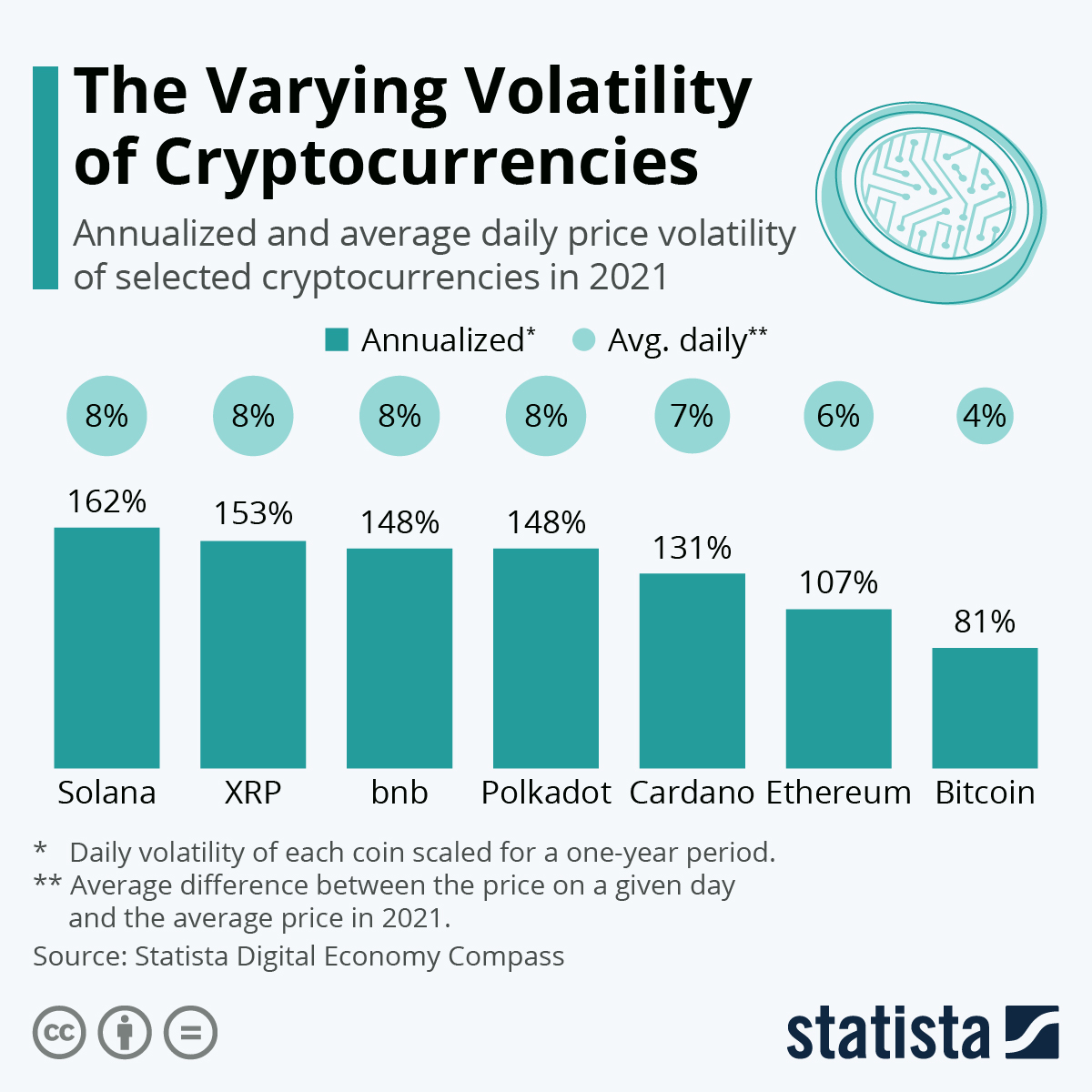
Investors should consider diversifying their portfolios by including a mix of established coins and promising altcoins to mitigate risk. Each coin carries its own volatility, and spreading investments can help balance potential losses.Risk management techniques specific to cryptocurrency investing include setting stop-loss orders, regularly reviewing portfolio allocations, and staying informed about market trends and developments to navigate the inherent uncertainties of the market.

Tools and Resources for Tracking Cryptocurrency Coin Value

As the cryptocurrency market continues to grow, the need for reliable tools and resources to track coin prices and value fluctuations becomes increasingly important. Various platforms provide real-time data, analytical tools, and market insights.

Utilizing Tracking Applications

Investors should take advantage of popular cryptocurrency tracking applications that offer features like price alerts, portfolio tracking, and historical data analysis. These tools can significantly enhance decision-making processes.

Application Features
CoinMarketCap Real-time price tracking, market analytics, and portfolio management.
CryptoCompare Market data, news aggregation, and portfolio tracking.
Blockfolio Portfolio management, price alerts, and news updates.

Ultimate Conclusion

In summary, navigating the cryptocurrency coins value landscape requires a combination of knowledge, strategic thinking, and awareness of emerging trends. Understanding the historical context of major coins like Bitcoin and Ethereum, alongside the potential future shifts driven by technology and regulation, equips investors with the insights needed to make informed decisions. As we look forward, staying updated on market developments will remain key to unlocking the true potential of cryptocurrency investments.

Q&A

What factors affect the value of cryptocurrency coins?

The value of cryptocurrency coins is influenced by supply and demand, market sentiment, regulatory changes, and technological advancements.

How do I track cryptocurrency coin values?

You can track cryptocurrency coin values using various tools and platforms that offer real-time price updates, historical data, and market analytics.

What are stablecoins, and how do they differ from other coins?

Stablecoins are a type of cryptocurrency designed to maintain a stable value by pegging them to a reserve of assets, like fiat currency, unlike volatile coins.

Can I invest in cryptocurrency coins through traditional brokerage firms?

Some traditional brokerage firms now offer cryptocurrency trading options, but many investors also use specialized cryptocurrency exchanges for more variety.

What is the role of market sentiment in cryptocurrency value?

Market sentiment can greatly influence cryptocurrency values, as positive news can drive prices up while negative reports can lead to sharp declines.

Cryptocurrency course hong kong sets the stage for this enthralling narrative, offering readers a glimpse into a story that is rich in detail and brimming with originality from the outset. As the world embraces digital currencies, Hong Kong stands out with a growing landscape of educational opportunities aimed at empowering individuals with a solid understanding of cryptocurrencies and blockchain technology.

This course not only provides essential knowledge but also opens doors to exciting career paths and networking opportunities in a rapidly evolving market. With various institutions and diverse course structures, students can find tailored programs that meet their needs and aspirations.

Overview of Cryptocurrency Courses in Hong Kong

The landscape of cryptocurrency education in Hong Kong has seen significant growth over recent years, reflecting the increasing interest in digital currencies and blockchain technology. Various institutions, both academic and private, have recognized the demand for structured learning in this evolving field. Cryptocurrency courses are becoming essential for professionals and enthusiasts alike who wish to understand the mechanics of digital currencies and their implications on the global economy.

Main Institutions Offering Cryptocurrency Courses

Several prominent institutions in Hong Kong provide cryptocurrency courses, contributing to a vibrant educational ecosystem. These include universities, online platforms, and specialized training centers. Notable providers include:

  • The University of Hong Kong
  • Hong Kong University of Science and Technology
  • HKU SPACE
  • Coursera and Udemy (online platforms)
  • Blockchain Academy Hong Kong

Relevance of Cryptocurrency Courses in the Local Economy

The relevance of cryptocurrency courses in Hong Kong’s local economy cannot be overstated. As Hong Kong positions itself as a financial hub, understanding cryptocurrency is crucial for various sectors, including finance, technology, and trade. Professionals equipped with knowledge in this area can contribute to innovation, compliance, and overall economic growth.

Course Content and Structure

Cryptocurrency courses typically cover a range of topics designed to give students a comprehensive understanding of both theoretical concepts and practical applications. The syllabi often include modules such as blockchain fundamentals, cryptocurrency trading strategies, smart contracts, and regulatory considerations.

Typical Syllabus of a Cryptocurrency Course

The following is a representation of common modules covered in cryptocurrency courses:

Module Description
Introduction to Blockchain Understanding the underlying technology behind cryptocurrencies.
Cryptocurrency Trading Strategies and tools for trading different cryptocurrencies.
Smart Contracts Exploration of programmable contracts and their applications.
Legal and Regulatory Framework Overview of laws impacting cryptocurrencies in Hong Kong.

Teaching Methods Used in These Courses

Courses employ a variety of teaching methods to facilitate learning. These include:

  • Lectures and seminars featuring industry experts.
  • Hands-on workshops for practical experience.
  • Online modules for flexible learning.
  • Case studies to illustrate real-world applications.

Target Audience for Cryptocurrency Courses

The target demographic for cryptocurrency courses includes a diverse mix of individuals, ranging from finance professionals to tech enthusiasts and entrepreneurs. Each group has unique motivations for seeking this education.

Demographics Most Interested in Cryptocurrency Education

Individuals interested in cryptocurrency education typically fall into categories such as:

  • Finance professionals seeking to upskill.
  • Students pursuing careers in technology and finance.
  • Entrepreneurs looking to integrate blockchain solutions into their businesses.

Motivations Behind Enrolling in These Courses

Potential students have various motivations for enrolling in cryptocurrency courses, including:

  • Desire to stay relevant in a rapidly changing job market.
  • Aiming to start careers in blockchain technology.
  • Interest in understanding investment opportunities in cryptocurrencies.

Prerequisites or Prior Knowledge Needed

While most courses cater to beginners, some may expect students to have:

  • Basic knowledge of economics and finance.
  • Familiarity with technology and digital platforms.

Benefits of Taking a Cryptocurrency Course

Enrolling in a cryptocurrency course can offer numerous advantages, particularly in terms of career development and networking.

Potential Career Opportunities

Completing a cryptocurrency course can lead to exciting career paths, including roles such as:

  • Blockchain Developer
  • Cryptocurrency Analyst
  • Compliance Officer in Financial Institutions

Enhancing Understanding of Blockchain Technology

Business Word Cloud Bitcoin · Free vector graphic on Pixabay

Courses provide insights not only into cryptocurrencies but also into the broader implications of blockchain technology, including its potential to disrupt traditional business models.

Networking Opportunities

Courses often facilitate networking through:

  • Guest lectures from industry leaders.
  • Group projects and collaborations.
  • Access to alumni networks.

Challenges in Cryptocurrency Education

While there are numerous benefits to cryptocurrency education, students often encounter specific challenges along the way.

Common Challenges Students Face

Some of the challenges include:

  • Rapidly evolving technology making it hard to keep up.
  • Complex concepts that may seem daunting.
  • Limited hands-on experience opportunities.

Misconceptions About Cryptocurrency

Courses aim to clarify several misconceptions, such as:

  • Belief that cryptocurrency is solely for illegal activities.
  • Misunderstanding about the security of blockchain technology.
  • Confusion between different types of cryptocurrencies and their uses.

Resources for Overcoming Challenges

Students can access several resources to help navigate their learning journey, including:

  • Online forums and discussion groups.
  • Webinars and additional workshops.
  • Supplementary reading materials and journals.

Future Trends in Cryptocurrency Education in Hong Kong

As the cryptocurrency landscape continues to evolve, education is also adapting to meet new demands.

Emerging Trends in Cryptocurrency Education

Some of the anticipated trends include:

  • Increased focus on decentralized finance (DeFi) modules.
  • Integration of Artificial Intelligence in cryptocurrency analysis.

New Course Offerings Based on Market Demand

In response to market needs, institutions may develop courses on:

  • Non-fungible tokens (NFTs) and their applications.
  • Cryptocurrency risk management strategies.

Timeline of Expected Developments

Looking ahead, the following developments are expected in cryptocurrency training:

  • 2024: Introduction of advanced blockchain courses.
  • 2025: Expansion of online learning platforms.
  • 2026: Global collaboration on cryptocurrency standards and practices.

Testimonials and Success Stories

Gathering testimonials and success stories from past students showcases the impact of these courses.

Testimonials from Past Students

Many students have reported transformative experiences, such as:

“The course completely changed my understanding of finance and technology. I landed a job in blockchain development!”

Case Studies of Successful Careers

Several case studies highlight successful career trajectories stemming from these courses, demonstrating their effectiveness.

Metrics Demonstrating Course Effectiveness

The Case for Including Cryptocurrency Trading in Your Investment Portfolio

A summary of metrics includes:

Metric Value
Job Placement Rate 85%
Student Satisfaction Rate 90%
Average Salary Increase 30%

Regulatory Considerations

Understanding the legal landscape surrounding cryptocurrency education is crucial for both institutions and students.

Legal Landscape Surrounding Cryptocurrency Education

Regulations in Hong Kong are evolving to address the growing influence of cryptocurrencies. Institutions must ensure that their course content aligns with the latest legal frameworks.

How Regulations Affect Course Offerings

Regulations influence the types of courses offered and the content delivered, necessitating continuous updates and adaptations.

Regulatory Bodies Involved in Cryptocurrency Education

Key regulatory bodies include:

  • Securities and Futures Commission (SFC)
  • Monetary Authority of Hong Kong (HKMA)

Last Recap

In summary, the cryptocurrency course hong kong is not just an educational endeavor; it’s a gateway to understanding a transformative technology that is reshaping economies. With the right guidance and resources, students can navigate the complexities of the cryptocurrency world and position themselves for success in the future.

Questions and Answers

What are the prerequisites for enrolling in a cryptocurrency course?

Typically, a basic understanding of finance and technology is beneficial, but many courses cater to beginners.

How long do cryptocurrency courses usually last?

Most courses range from a few weeks to several months, depending on the depth and structure of the program.

Are there online options available for cryptocurrency courses?

Yes, many institutions offer online courses, allowing flexibility for students to learn at their own pace.

What career opportunities can arise from a cryptocurrency course?

Graduates may pursue roles in finance, blockchain development, regulatory compliance, and more.

Are there networking opportunities included in these courses?

Yes, many courses provide access to industry events and connections with professionals in the field.

In a rapidly evolving financial landscape, crypto analyst courses have emerged as essential learning pathways for those seeking to thrive in cryptocurrency markets. These courses not only provide crucial insights into the intricacies of digital currencies but also equip participants with the analytical skills necessary to make informed decisions. Whether you’re a budding investor, a finance professional, or simply curious about cryptocurrency, these courses are designed to cater to a diverse audience and pave the way for exciting career opportunities.

From understanding market trends to mastering technical and fundamental analysis, the curriculum is structured to impart both theoretical knowledge and practical skills. Students can expect to delve deep into the world of crypto analysis, learning from industry experts and engaging with a variety of resources that enhance their learning experience.

Definition and Importance of Crypto Analyst Courses

8 Best Cryptocurrency Courses Online in 2025

In the rapidly evolving financial landscape, the role of cryptocurrency has gained significant importance. As digital currencies continue to reshape the traditional financial system, the demand for skilled professionals who can analyze and interpret market movements has surged. Crypto analyst courses are designed to equip individuals with the necessary skills and knowledge to excel in this dynamic field.Participants in crypto analyst courses can expect to gain a comprehensive understanding of various analytical techniques, including technical and fundamental analysis.

These skills are crucial for making informed investment decisions in the cryptocurrency market. The target audience for these courses ranges from beginners eager to learn about crypto trading to industry professionals looking to enhance their analytical capabilities. Graduates can pursue diverse career paths, including positions as crypto analysts, traders, and investment advisors.

Types of Crypto Analyst Courses Available

Crypto analyst courses come in various formats to cater to different learning preferences. This flexibility allows aspiring analysts to choose based on their schedules and learning styles. The primary formats include:

  • Online Courses: These are conducted entirely online, offering convenience and accessibility to learners worldwide.
  • In-Person Classes: Traditional classroom settings provide direct interaction with instructors and peers, enhancing the learning experience.
  • Hybrid Courses: Combining online and in-person elements, hybrid courses offer a balanced approach, allowing for flexibility while still providing face-to-face interaction.

The topics covered in crypto analyst courses are diverse, addressing key areas such as technical analysis, fundamental analysis, and market trends. Popular platforms like Coursera, Udemy, and Binance Academy offer these courses, each with unique features tailored to meet the needs of participants.

Curriculum Structure and Learning Outcomes

Typically, the curriculum for crypto analyst courses is structured into several modules spanning a few weeks to months, depending on the course’s depth. Participants can expect to cover:

  • Introduction to Cryptocurrency and Blockchain Technology
  • Technical Analysis Techniques and Tools
  • Fundamental Analysis of Crypto Projects
  • Market Psychology and Trading Strategies
  • Risk Management and Portfolio Diversification

Through these modules, learners acquire practical skills such as chart reading and risk management, essential for successful trading. Upon completion, participants may earn certifications or qualifications that enhance their credibility in the job market.

Teaching Methods and Resources

Teaching methodologies employed in crypto analyst courses often include:

  • Case Studies: Real-world scenarios that help students apply theoretical knowledge to practical situations.
  • Hands-on Projects: Assignments that encourage learners to create and analyze their trading strategies.

Additionally, several resources are recommended to supplement the learning experience, including textbooks, online tools, and trading software. Supplementary materials such as webinars and workshops are also valuable for reinforcing concepts and expanding knowledge.

Costs and Investment Considerations

Cryptocurrency Training Academy Courses

The costs associated with enrolling in crypto analyst courses can vary widely based on the format and provider. On average, participants may spend anywhere from $100 to over $1,000. Financing options such as payment plans or scholarships might be available to help ease the financial burden for prospective students.When weighing the potential return on investment, completing a crypto analyst course can lead to lucrative job opportunities in finance and technology sectors, making it a worthwhile endeavor compared to other educational paths in finance.

Career Opportunities for Crypto Analysts

With a background in crypto analysis, individuals can explore various job roles, including:

  • Crypto Analyst
  • Blockchain Consultant
  • Investment Manager
  • Market Research Analyst

Success stories abound; many professionals have significantly advanced their careers after completing crypto analyst courses, landing positions in reputable firms. Industries actively hiring include finance, technology, and advisory services, all of which seek candidates who possess strong analytical skills and a deep understanding of the cryptocurrency market.

Future Trends in Crypto Analyst Education

Emerging trends in the cryptocurrency field are expected to influence future course offerings significantly. As the market evolves, educational programs will likely incorporate advanced topics such as decentralized finance (DeFi) and non-fungible tokens (NFTs), addressing the growing complexity of the ecosystem.Technological advancements, such as artificial intelligence and machine learning, are reshaping the way crypto analysis is taught. As these technologies become more integrated into the analysis process, the skill set required for crypto analysts will also evolve, emphasizing adaptability and continuous learning to stay ahead in the ever-changing landscape.

Ultimate Conclusion

As we look to the future, the demand for skilled crypto analysts is only expected to rise, making these courses an invaluable investment in one’s career. With a solid foundation in the principles of crypto analysis, graduates will find themselves well-prepared to navigate the complexities of the cryptocurrency market. Embracing the knowledge gained from these courses can lead to rewarding career paths and positions in a field that continues to grow and evolve.

Commonly Asked Questions

What prerequisites are needed for crypto analyst courses?

Most courses do not require prior knowledge in finance or cryptocurrency, though a basic understanding of financial concepts can be beneficial.

How long do crypto analyst courses typically last?

Course duration can vary widely, ranging from a few weeks for short-term programs to several months for comprehensive courses.

Are there any certifications available upon completion?

Yes, many courses offer certifications that can enhance your credentials and improve job prospects in the finance and cryptocurrency sectors.

Can I take these courses online?

Absolutely! Many institutions offer online formats, allowing you to study at your own pace from anywhere in the world.

What kind of job opportunities are available for crypto analysts?

Crypto analysts can pursue roles in various sectors, including finance, investment firms, tech companies, and startups focusing on blockchain technology.

XRP us company is revolutionizing the way businesses handle transactions, ushering in a new era of financial efficiency. As a digital asset designed for fast and cost-effective cross-border payments, XRP is gaining traction among US companies looking to streamline their operations and enhance liquidity management.

This overview delves into the various aspects of XRP, including its fundamental role in financial systems, regulatory environment, and how it is being embraced by key US companies. By examining real-world use cases and future prospects, we can better understand the significant impact XRP is having on the American business landscape.

Overview of XRP and Its Role in US Companies

XRP, a digital asset created by Ripple Labs, has emerged as a significant player in the financial technology landscape. Its primary functionality within financial systems revolves around facilitating cross-border transactions with speed and efficiency. Unlike traditional banking systems that may take several days to process international payments, XRP enables near-instantaneous transfers, drastically reducing costs and improving liquidity for businesses.The significance of XRP for US companies is particularly pronounced in the context of cross-border transactions.

With an increasingly globalized economy, businesses are seeking efficient ways to send and receive payments internationally. Key players such as American Express, Santander, and MoneyGram have adopted or integrated XRP into their operations, recognizing its potential to streamline payment processes and enhance financial flows.

Regulatory Environment Surrounding XRP in the US

The regulatory landscape for XRP in the US is complex and continually evolving. Currently, XRP exists under a framework that sees it classified as a cryptocurrency, which brings it under the scrutiny of various regulatory bodies. The Securities and Exchange Commission (SEC) has been particularly active in defining the regulatory parameters for cryptocurrencies, with specific implications for companies dealing with XRP.

This has resulted in legal challenges, including high-profile cases that shape how XRP is perceived within the financial markets.The implications of SEC regulations can significantly impact US companies utilizing XRP. Companies must navigate a landscape filled with compliance requirements, which can hinder innovation and adoption. In contrast, companies in countries with more favorable regulatory environments may experience less friction in integrating XRP into their business models, pointing to a disparity in the challenges faced by US companies compared to their global counterparts.

Business Use Cases of XRP by US Companies

Numerous US companies are leveraging XRP to enhance their payment processing capabilities. For instance, RippleNet, a network that utilizes XRP, has enabled various financial institutions to conduct cross-border transactions seamlessly. Companies like SBI Remit and PNC Financial Services are notable examples where XRP has been effectively integrated to improve transaction times and reduce costs.The use of XRP also enhances liquidity management for US companies.

By using XRP as a bridge currency, businesses can convert currencies more efficiently, mitigating the risks associated with currency fluctuations during transactions. Case studies, such as those involving Ripple’s partnerships with notable banks, demonstrate how XRP has successfully been woven into the operational fabric of modern business, providing both strategic and financial advantages.

Future Prospects of XRP in the US Market

XRP is back in the U.S. - Start trading today!

The future of XRP in the US market appears promising, with several potential trends indicating increased adoption among businesses. As more companies recognize the benefits of blockchain technology and digital assets, the demand for efficient payment solutions is expected to rise. Technological advancements, particularly in the areas of smart contracts and decentralized finance (DeFi), may further enhance the utility of XRP for US companies.However, challenges remain that could hinder XRP’s growth trajectory in the US marketplace.

Regulatory uncertainties and market volatility are among the primary concerns that could deter businesses from fully embracing XRP. Additionally, competition from other cryptocurrencies and traditional banking solutions continues to pose challenges that XRP must navigate to maintain its relevance.

Comparisons with Other Cryptocurrencies

When compared to Bitcoin and Ethereum, XRP demonstrates superior transaction efficiency, particularly for US companies. XRP’s consensus mechanism allows for faster transaction times and lower fees, making it a more viable option for businesses looking to optimize their payment processes. Using XRP over traditional banking solutions offers various advantages for US businesses. Speed, cost-effectiveness, and accessibility are among the critical benefits that make XRP attractive.

Moreover, unique features such as its ability to facilitate multiple currency transactions without the need for pre-funding accounts differentiate XRP from other cryptocurrencies in the US market, positioning it as a strategic asset for forward-thinking companies.

Educational Resources for US Companies Interested in XRP

For US companies looking to deepen their understanding of XRP, numerous comprehensive resources are available. These include webinars, whitepapers, and online courses that cover the fundamentals of XRP and its applications in business. Best practices for integrating XRP into existing business infrastructure include conducting thorough research, engaging with financial experts, and implementing a phased approach to integration. A step-by-step framework for US businesses interested in adopting XRP involves:

  1. Assessing current payment processes and identifying pain points.
  2. Educating stakeholders about the benefits and functionalities of XRP.
  3. Developing a strategic plan for integration, including compliance considerations.
  4. Implementing pilot projects to test XRP’s effectiveness.
  5. Scaling up operations based on pilot results and stakeholder feedback.

By following this framework, US companies can effectively harness the potential of XRP to improve their operational efficiency and global reach.

Last Word

XRP Coming to the US: What to Expect

In conclusion, the adoption of XRP by US companies represents a pivotal shift in the financial sector, offering innovative solutions to traditional banking challenges. As regulatory frameworks evolve and technology advances, the future looks promising for XRP in the US market, potentially transforming how businesses conduct transactions on a global scale.

FAQ Insights

What is XRP and how does it work?

XRP is a digital currency designed for fast and low-cost international payments, operating on the Ripple network.

How are US companies using XRP?

US companies leverage XRP for efficient payment processing and liquidity management, enhancing cross-border transaction capabilities.

What challenges do US companies face with XRP?

Regulatory uncertainty and market volatility are key challenges that US companies must navigate when adopting XRP.

Is XRP compliant with US regulations?

The regulatory status of XRP is currently under scrutiny, especially concerning SEC regulations; compliance varies among companies.

What advantages does XRP offer over traditional banking?

XRP provides faster transaction speeds and lower fees compared to traditional banking solutions, making it an attractive option for businesses.

Beginning with business news updates today, we explore the dynamic landscape that shapes the modern economy, dissecting the latest trends, technological advancements, and corporate strategies that are redefining how businesses operate.

This overview delves into current economic indicators, corporate developments, and global market insights, all tailored to provide a comprehensive snapshot of what’s influencing business decisions today.

Current Trends in Business News

As the global economy evolves, several key trends are reshaping the business landscape, influencing decision-makers and entrepreneurs alike.

Identifying Major Trends

The business world is currently witnessing several significant trends that are shaping its trajectory. Among these, the rise of remote work, sustainability initiatives, and digital transformation are at the forefront. Companies are increasingly focusing on agility and adaptability, recognizing that these traits are essential in a fast-changing market.

Emerging Industries

New industries are emerging, particularly in technology and green energy sectors. For instance, the renewable energy industry is projected to grow substantially, driven by increasing demand for sustainable solutions. Moreover, the tech sector continues to expand with significant advancements in artificial intelligence and cloud computing, providing ample opportunities for growth.

Impact of Technology

Technological advancements are disrupting traditional business models, compelling companies to innovate continuously. The integration of AI and big data analytics is transforming how businesses operate, enabling them to make more informed decisions and enhance customer experiences.

Economic Indicators

Recent economic indicators provide valuable insights into business performance, guiding strategic decisions across various sectors.

Significance of Economic Indicators

Economic indicators such as GDP growth rates, unemployment statistics, and consumer confidence levels play a critical role in shaping business strategies. Positive indicators often signal a robust market, encouraging investment and expansion.

Stock Market Trends

The stock market has shown considerable fluctuations recently, influenced by various factors including interest rates and geopolitical events. A detailed analysis reveals that technology stocks have outperformed other sectors, reflecting investor confidence in digital transformation.

Inflation Rates and Consumer Spending

Inflation rates have risen, affecting consumer purchasing power. As prices increase, consumers tend to adjust their spending habits, prioritizing essential goods over luxury items. This shift can impact businesses heavily reliant on discretionary spending.

Corporate Developments

Recent corporate actions, including mergers and acquisitions, are reshaping competitive landscapes and altering market dynamics.

Mergers and Acquisitions

Several high-profile mergers have occurred recently, such as the merger between major tech firms aiming to consolidate resources and market share. These moves are anticipated to enhance operational efficiencies and broaden product offerings.

Leadership Changes

Leadership transitions at prominent companies are also noteworthy. New executives often bring fresh perspectives and strategic directions, potentially leading to significant changes in company culture and performance.

Key Partnerships

Strategic partnerships are being formed to leverage combined strengths. For instance, partnerships between tech companies and traditional industries are creating innovative solutions that benefit both parties and enhance customer satisfaction.

Regulatory Changes

The regulatory landscape is continually evolving, impacting how companies operate and compete.

Changes in Business Regulations

Recent changes in regulations, such as data protection laws and environmental regulations, are prompting businesses to adapt swiftly. Companies must stay compliant while balancing operational costs.

Impact of Trade Policies

Trade policies are also influencing international business operations. Tariffs and trade agreements can significantly alter market access and competitiveness, compelling companies to rethink their global strategies.

Evolving Labor Laws

Labor laws are evolving to address the needs of a changing workforce. Companies are increasingly adopting flexible work arrangements and enhancing employee benefits to attract and retain talent.

Global Market Insights

A comparative analysis of global business growth reveals diverse opportunities and challenges across regions.

Business Growth in Different Regions

Regions like Asia-Pacific are experiencing robust growth, largely driven by technology adoption and urbanization. In contrast, some developed markets are facing stagnation, necessitating innovation and diversification strategies.

Global Events and Local Business Operations

Global events, such as geopolitical tensions and economic sanctions, can have profound effects on local businesses. Understanding these dynamics is crucial for companies operating in interconnected markets.

Future Market Developments

Predictions indicate that emerging markets will continue to attract investment, especially in sectors like technology and consumer goods. As these markets mature, they will offer new avenues for growth and partnerships.

Technology in Business

Technological advancements are revolutionizing business practices across industries, fostering innovation and efficiency.

Advancements Transforming Business Practices

Technologies such as blockchain, IoT, and AI are integral to modern business strategies. These advancements streamline operations, enhance security, and create new revenue streams.

Role of Artificial Intelligence

AI is increasingly shaping the future of work by automating routine tasks and enabling data-driven decision-making. Its integration into business processes is expected to enhance productivity and reduce costs.

Impact of Digital Transformation

Digital transformation is crucial for customer engagement. Companies are leveraging digital channels to interact with customers more effectively, personalizing experiences and optimizing sales strategies.

Sustainability and Ethics in Business

Sustainability and ethical practices are becoming essential components of corporate strategy, influencing brand perception and consumer loyalty.

Leading Companies in Sustainability

Some companies are setting benchmarks in sustainability, implementing eco-friendly practices and products. These initiatives not only fulfill corporate responsibility but also attract environmentally conscious consumers.

Importance of Corporate Social Responsibility

Corporate social responsibility (CSR) is increasingly important in today’s market. Companies that prioritize CSR often enjoy enhanced brand loyalty and positive public perception.

Ethical Business Practices

Ethical practices significantly influence consumer choices. Brands that are transparent and prioritize ethics tend to build stronger relationships with their customers, leading to increased sales and brand loyalty.

Business Forecasts and Predictions

Forecasts for upcoming trends provide insights into potential market developments and challenges companies may face.

Forecasts for Industry Trends

Analysts predict that industries such as e-commerce and health tech will continue to thrive, driven by consumer demand for convenience and innovation.

Expert Opinions on Economic Conditions

Experts suggest that economic conditions may remain volatile, influenced by factors such as interest rates and global trade dynamics. Companies must remain agile to navigate these uncertainties.

Challenges Facing Businesses

Potential challenges include supply chain disruptions and regulatory compliance. Businesses that proactively address these challenges will be better positioned for success in the coming quarters.

Epilogue

In summary, as we navigate through the complexities of the business world, staying abreast of the latest news and trends is crucial for making informed decisions. The insights gathered today not only highlight current challenges but also present opportunities for growth and innovation in an ever-evolving market.

FAQs

What are the major trends in business today?

Key trends include the rise of digital transformation, sustainability initiatives, and the integration of artificial intelligence in various industries.

How do economic indicators affect businesses?

Economic indicators like inflation rates and stock market trends provide insights into consumer behavior and business performance, guiding strategic decisions.

What is the impact of technology on business?

Technology drives efficiency, innovation, and improved customer engagement, significantly altering traditional business models and practices.

How important is corporate social responsibility?

Corporate social responsibility is vital as consumers increasingly favor brands that demonstrate ethical practices and commitment to sustainability.

What challenges do businesses face in the current market?

Businesses are grappling with economic fluctuations, regulatory changes, and the need for rapid adaptation to technological advancements.

When a crypto company owner dies, it sends ripples through the entire industry, affecting not just the company but its employees, investors, and the broader community. The sudden loss raises questions about operational continuity, legal ramifications, and emotional impacts on stakeholders.

The implications are profound, as companies scramble to navigate the uncertain waters of ownership transitions while managing investor sentiment and maintaining brand reputation amidst public scrutiny.

Overview of the Situation

The unexpected death of a crypto company owner can create a whirlwind of uncertainty within the organization and its ecosystem. The ramifications extend beyond emotional distress, touching on operations, stakeholder confidence, and financial stability. Employees may face job insecurity, while investors often react with anxiety regarding their investments. In many cases, the tragic event can disrupt the normal flow of company operations, leading to a reevaluation of strategic plans and future directions.

When a leader who has been integral to a company’s vision passes away, it can create a gap that is challenging to fill. The emotional toll on employees can result in decreased productivity, while stakeholders may begin to question the company’s stability and future growth potential. This scenario highlights the necessity of having contingency plans, as the effects ripple through every level of the organization.

Legal Considerations

The death of a crypto company owner introduces a range of legal challenges, often complicated by the unique nature of digital assets and cryptocurrencies. It becomes crucial to navigate ownership rights, transfer of assets, and the execution of wills or trusts.Standard protocols typically involve the following steps:

  • Identifying the legal heirs and beneficiaries of the deceased’s estate.
  • Valuating the company’s assets, including cryptocurrencies held by the individual.
  • Assessing potential tax liabilities that may arise from the transfer of ownership.

A well-structured succession plan is essential not just for compliance but also for ensuring that the company continues to operate smoothly. This plan should clearly Artikel roles and responsibilities in the event of an owner’s untimely passing, which can help mitigate disruptions.

Case Studies

Several notable instances have occurred in the crypto industry where the death of a company owner led to significant outcomes. One prominent case involved Gerald Cotten, the founder of QuadrigaCX, who died unexpectedly in 2018. His death left investors unable to access millions in cryptocurrency locked away in digital wallets, leading to a prolonged legal battle and widespread distrust among the community.In another case, the passing of a leading figure at a smaller crypto startup resulted in swift action by the board to appoint an interim CEO, which helped stabilize the company temporarily.

Each of these cases offers lessons in crisis management and the importance of having a responsive governance structure in place. Companies differed in their responses, with some exhibiting transparency and others facing backlash due to perceived mismanagement.

Financial Consequences

The financial impact of an owner’s death can be significant, with immediate repercussions on company performance and investor sentiment. Stocks or tokens may experience volatility as markets react to the news, often leading to a dip in value. Investor sentiment often shifts dramatically, driven by fear and uncertainty. The following factors may contribute to this trend:

  • Market perception of leadership stability.
  • Potential delays in decision-making processes.
  • Concerns over the company’s long-term strategic vision and operations.

Statistical data has shown that many companies in the crypto space see a decline in their market capitalization in the months following the death of a founder, illustrating the fragile nature of investor confidence.

Succession Planning

THE DEATH OF THE CRYPTO INDUSTRY - YouTube

Effective succession planning is paramount for crypto companies to navigate ownership transitions smoothly. A well-defined framework should encompass the following elements:

  • Identifying potential successors from within the organization.
  • Establishing mentorship programs to prepare future leaders.
  • Documenting processes and key decision-making frameworks.

Stakeholders play critical roles in this process, ensuring that there is a designated team or individual responsible for leading the transition. Creating a checklist of preparatory steps can help in making the process seamless, which includes regular reviews of the succession plan to adapt to changing circumstances.

Community Reaction

Cryptocurrency co-founder dies at the age of 30

The crypto community often reacts swiftly to the death of a significant figure, frequently expressing their condolences through social media and community forums. Tributes may take the form of online memorials, fundraising initiatives for the deceased’s family, or campaigns aimed at honoring their legacy.Long-term effects can include shifts in community trust and brand reputation, particularly if the company’s response is viewed as lacking transparency or empathy.

Support initiatives often foster a sense of unity within the community, reinforcing the importance of collaboration and shared values.

Media Coverage

Media coverage of a crypto company owner’s death varies widely across mainstream and crypto-specific outlets. The narratives that emerge often focus on the implications for the company, the market’s reaction, and the legacy left behind.Social media plays a significant role in shaping public perception during these events. It allows for real-time reactions and commentary, which can either bolster or damage a company’s reputation.

The framing of the story can influence investor sentiment and community trust, highlighting the need for companies to proactively manage their public image in times of crisis.

Last Recap

In conclusion, the death of a crypto company owner highlights the critical need for robust succession planning and clear protocols to mitigate the emotional and financial fallout. As the industry reflects on past cases, the lessons learned serve as essential guides for future preparedness in an unpredictable landscape.

User Queries

What happens to a crypto company when its owner dies?

The company’s operations may halt, legal procedures will be initiated for asset distribution, and stakeholders may experience uncertainty regarding their investments.

Are there legal protocols for handling a crypto company’s assets after the owner’s death?

Yes, standard legal frameworks apply, often requiring probate for asset distribution and compliance with regulatory requirements.

How can companies prepare for the unexpected death of a leader?

Establishing a clear succession plan that Artikels roles and responsibilities can help ensure a smooth transition and minimize disruption.

What impact does an owner’s death have on investor confidence?

Investor sentiment may wane due to uncertainty, but effective communication and a solid succession strategy can help restore trust.

How does the crypto community typically react to such news?

The community often comes together to pay tribute, sharing memories and support initiatives, which can help sustain community trust and brand reputation.

Delving into crypto company ke bare mein bataen, this discussion unveils the fascinating world of cryptocurrency enterprises that are reshaping the digital economy. These companies range from exchanges to wallets and mining firms, each serving a unique function in the financial ecosystem.

Understanding the significance of crypto companies is crucial as they not only facilitate transactions but also drive innovation and adoption of blockchain technology. With the rise of digital currencies, these firms have become pivotal players in the global market.

Introduction to Crypto Companies

Crypto companies are enterprises that operate within the realm of cryptocurrencies and blockchain technology. These companies play a pivotal role in shaping the digital economy by providing essential services that facilitate the buying, selling, and storage of digital assets. They serve a diverse range of functions that contribute significantly to the financial landscape, making the world of cryptocurrencies more accessible and usable for everyday individuals and businesses alike.In the crypto ecosystem, various types of companies exist, including exchanges, which allow users to trade cryptocurrencies; wallets, which provide secure storage for digital assets; and mining firms, which validate transactions and add new coins to the blockchain.

Each type of crypto company has its unique contributions and challenges, making them integral to the overall functioning of the cryptocurrency market.

Key Features of Crypto Companies

What sets crypto companies apart from traditional businesses are several key features that define their operations and impact. Firstly, the underlying technology of blockchain is a game changer, enabling transparency and security in transactions. Crypto companies leverage this technology to build trust with their users, ensuring that each transaction is recorded immutably.Additionally, the regulatory landscape for crypto companies is highly dynamic and varies significantly from one jurisdiction to another.

This creates a challenging environment as companies must navigate compliance with different laws and regulations while adapting to the evolving standards set by governments and financial authorities worldwide.

Prominent Crypto Companies

There are numerous notable crypto companies that have made significant strides in the industry. Here’s a brief overview of some of them:

  • Coinbase: An easy-to-use platform designed for buying, selling, and storing cryptocurrencies. Known for its user-friendly interface, it caters to both beginners and experienced traders.
  • Binance: One of the largest cryptocurrency exchanges globally, offering a wide variety of coins and trading pairs. Its extensive features appeal to advanced traders as well.
  • BitPay: A payment service provider that allows businesses to accept Bitcoin payments. It simplifies digital asset transactions for merchants.
  • Ledger: A leading hardware wallet manufacturer, known for its high-level security features that safeguard users’ digital assets against theft.

These companies provide diverse services that cater to different market segments, from novice investors to seasoned crypto enthusiasts. The user interfaces of these platforms vary significantly, with some prioritizing simplicity while others offer advanced tools for trading and analysis.

Challenges Faced by Crypto Companies

8 Top Crypto Fundraising Ideas Best for Startups | The Capital

Crypto companies encounter a myriad of challenges in their operations. Security issues pose a significant risk, as companies must protect their platforms from hacking and fraud. The ever-present threat of cyberattacks requires them to implement robust security measures, which can be costly and complex.Market volatility also plays a crucial role in the operations of crypto companies. Sudden price swings can lead to significant financial losses for both the companies and their customers.

To counteract these risks, successful crypto companies often employ strategies such as diversification, risk management protocols, and offering educational resources to help users make informed decisions.

The Future of Crypto Companies

Anticipated trends in the crypto industry suggest a growing acceptance and integration of cryptocurrencies into traditional finance. This shift may lead to increased regulatory clarity and more established frameworks for operations. Innovation will also play a crucial role, as crypto companies continuously seek to improve their technologies and services to meet user demands.Emerging opportunities for new crypto companies include the development of decentralized finance (DeFi) platforms, non-fungible tokens (NFTs), and enhanced payment solutions.

As the market matures, these areas present lucrative avenues for growth and expansion.

Case Studies of Successful Crypto Companies

Examining successful crypto companies reveals valuable insights into effective business models. For instance, Coinbase has excelled by focusing on user experience and regulatory compliance, creating a trustworthy platform for users. Conversely, the rise and fall of certain companies like Mt. Gox highlight critical lessons about security and transparency in operations, emphasizing the need for rigorous safety measures in the crypto space.These case studies demonstrate the impact successful crypto companies can have on the broader financial ecosystem, influencing everything from market practices to investor confidence.

How to Evaluate Crypto Companies

Investors looking to assess crypto companies should utilize a framework that includes key metrics such as market capitalization, trading volume, and user growth rate. Analyzing these indicators will provide insights into the overall health and viability of a company.Transparency and accountability are essential attributes in the crypto industry. Companies that openly share their operations, financial status, and security measures tend to foster greater trust among users and investors, leading to long-term success.

Community and Support for Crypto Companies

Community engagement is vital for the success of crypto companies. They often leverage social media platforms and online forums to interact with their user base, gathering valuable feedback and fostering a sense of belonging. This direct communication helps in addressing users’ concerns and enhancing overall service offerings.Customer service holds particular importance in the crypto sector, as users may encounter issues with transactions or security.

Companies that prioritize responsive and effective customer support can significantly improve user satisfaction and retention, ultimately contributing to sustained growth.

Epilogue

Crypto Coins Market Cap List : Asia's increasing demand and popularity ...

In summary, the evolution of crypto companies highlights their challenges and opportunities within a rapidly changing landscape. As we look to the future, their role in fostering innovation and community engagement will be vital for the next generation of financial services.

FAQ Compilation

What defines a crypto company?

A crypto company is any business that operates within the cryptocurrency space, including exchanges, wallet providers, and mining operations.

How do crypto companies differ from traditional businesses?

Crypto companies leverage blockchain technology and operate in decentralized environments, often facing unique regulatory challenges not seen in traditional sectors.

What are some common security concerns for crypto companies?

Common security concerns include hacking, fraud, and the potential for loss of funds due to system vulnerabilities.

How can investors evaluate crypto companies?

Investors should assess a crypto company based on its transparency, user reviews, technological infrastructure, and adherence to regulatory standards.

What role does community play in the success of crypto companies?

Community engagement is crucial as it builds trust, fosters feedback, and promotes brand loyalty, which are all essential for growth.

Exploring the realm of crypto companies in Europe reveals a dynamic and rapidly evolving sector that is reshaping how we think about finance. The European market is witnessing an influx of innovative firms that are not only pushing the boundaries of technology but also driving regulatory discussions and investment trends.

Key regions such as Germany, France, and the UK are emerging as hotbeds for crypto activity, benefiting from a supportive regulatory environment and a tech-savvy populace. This rich landscape is marked by a diverse array of companies, each contributing unique offerings and innovations, setting the stage for an exciting future in the European crypto ecosystem.

Overview of Crypto Companies in Europe

The European cryptocurrency landscape is vibrant and diverse, characterized by a mix of established firms and innovative startups. As the regulatory environment evolves, Europe has become an attractive hub for crypto businesses, fostering growth and development in the digital asset space. The continent boasts key regions such as Malta, Switzerland, and Germany, which are particularly prominent due to their supportive regulations and strong financial infrastructure.Countries like Malta have positioned themselves as crypto-friendly, offering regulatory clarity that attracts companies from around the globe.

Additionally, the presence of strong financial institutions and a tech-savvy population provides a solid foundation for crypto businesses to thrive. Overall, being based in Europe offers crypto companies access to a large market, innovative talent, and a generally supportive regulatory framework.

Major Crypto Companies in Europe

Eastern Europe Cryptocurrency Adoption Trends

The European crypto market is home to several major players that significantly influence the industry. Below are some of the most notable companies operating in this space:

  • Bitstamp: One of the oldest and most trusted cryptocurrency exchanges in the world, Bitstamp is known for its reliability and user-friendly interface. It offers trading for major cryptocurrencies and has established a strong presence in Europe.
  • Blockchain.com: Originally starting as a wallet service, Blockchain.com has expanded its offerings to include an exchange and various financial products. Its extensive user base and innovative features make it a key player in the European market.
  • Kraken: Renowned for its security and variety of cryptocurrencies available for trading, Kraken has become a go-to exchange for many European users. Its comprehensive platform also supports futures trading and margin trading.

These companies hold significant market influence, shaping trends and consumer preferences within the European crypto sector. Their growth and innovation continue to attract users and investors alike.

Regulatory Environment for Crypto Companies

The regulatory landscape for crypto companies in Europe is complex and varies significantly across different countries. While some nations, like France and Germany, have embraced cryptocurrencies and are working towards comprehensive regulatory frameworks, others may impose stricter guidelines.For instance, the European Union is working on the Markets in Crypto-Assets (MiCA) regulation, which aims to create a unified framework for cryptocurrency operations across member states.

This approach can enhance legal certainty for companies and improve consumer protection.However, the differences in regulations can lead to challenges for companies operating in multiple jurisdictions. Firms must navigate diverse legal requirements, affecting their operations and market strategies, especially regarding licensing, taxation, and compliance.

Innovations and Technologies in the European Crypto Sector

The European crypto sector is at the forefront of adopting cutting-edge technologies and innovative solutions. Companies are leveraging blockchain technology to develop new products and services that enhance user experience and security. Recent innovations include:

  • Decentralized Finance (DeFi): Several European firms are exploring DeFi solutions, enabling users to lend, borrow, and earn interest on their crypto assets without intermediaries.
  • Non-Fungible Tokens (NFTs): The rise of NFTs has been embraced by artists and creators in Europe, allowing them to tokenize their work and sell it on blockchain platforms.
  • Layer 2 Solutions: Companies are investing in Layer 2 technologies to improve transaction speeds and reduce fees on existing blockchain networks.

Successful case studies such as the launch of NFT marketplaces and the proliferation of crypto lending platforms highlight the creativity and innovation driving the European crypto industry forward.

Challenges Facing Crypto Companies in Europe

Despite the promising landscape, crypto companies in Europe face several challenges. Key issues include regulatory uncertainties, market volatility, and competition from traditional financial institutions.Market volatility can significantly impact business operations, particularly for companies dealing in trading and asset management. The fluctuating prices can lead to unpredictable revenues and affect user trust.To adapt, companies are focusing on building robust risk management strategies, diversifying their offerings, and enhancing customer education initiatives to better inform users about market dynamics.

Investment Trends in European Crypto Companies

The investment landscape for European crypto companies is rapidly evolving, with a growing interest from venture capitalists and institutional investors. Recent trends indicate an increase in funding rounds, driven by the potential for high returns and the growing acceptance of cryptocurrencies.Several venture capital firms are actively seeking to invest in promising crypto startups, providing the necessary capital for innovation and growth.

Statistics show that funding in the European crypto sector has surged, reflecting a strong belief in the future of digital assets.This influx of investment not only supports existing companies but also encourages new entrants into the market, further expanding the industry’s reach and capabilities.

Future Outlook for Crypto Companies in Europe

Looking ahead, the future of crypto companies in Europe appears promising, with several potential trends poised to shape the industry. Predictions suggest an increase in mainstream adoption of cryptocurrencies and blockchain technology across various sectors, including finance, healthcare, and supply chain management.Additionally, as regulatory frameworks continue to evolve, companies can expect clearer guidelines that foster a safer environment for users and investors.

This could lead to enhanced consumer confidence and further growth in the crypto market.Transformation in regulatory frameworks, such as the implementation of the MiCA regulation, may also provide opportunities for innovation and collaboration within the industry, propelling the European crypto scene into a new era.

Community and Networking Opportunities

Cryptocurrency in Eastern Europe: Innovations, Companies, and Progress

The European crypto ecosystem thrives on community engagement and networking opportunities. Numerous events and conferences take place throughout the year, providing platforms for industry professionals to connect, share ideas, and collaborate.Key events such as the European Blockchain Convention and Web Summit gather thought leaders and startups, fostering partnerships that can lead to innovative projects and initiatives. Networking through local meetups and online communities also plays a crucial role in building relationships and sharing knowledge among crypto enthusiasts.These collaborations are vital for the continued growth of the European crypto landscape, enabling companies to stay ahead of trends and leverage collective expertise to tackle industry challenges.

Outcome Summary

In summary, the future for crypto companies in Europe looks bright, with promising trends in investment and innovation that could lead to significant growth. As these companies navigate regulatory challenges and market volatility, their ability to adapt and collaborate underscores the resilience of the European crypto landscape. Exciting times lie ahead as this sector continues to evolve and expand.

Clarifying Questions

What are the top crypto companies in Europe?

The top crypto companies in Europe include Bitstamp, Kraken, and Binance, each known for their unique services ranging from trading platforms to innovative financial products.

How does regulation affect crypto companies in Europe?

Regulations vary by country and can impact everything from operational procedures to funding opportunities, shaping how companies conduct their business.

What challenges do crypto companies face in Europe?

Challenges include regulatory compliance, market volatility, and competition, which require companies to adapt continually to maintain their market position.

Are there investment opportunities in European crypto companies?

Yes, there is growing interest from venture capitalists in European crypto startups, indicating a healthy investment environment with significant funding potential.

What is the future outlook for crypto companies in Europe?

The future looks promising, with expectations of increased regulatory clarity and continued technological advancements that may spur growth in this sector.

The world of cryptocurrency has captured the imagination of many, and today, bitcoin price today in pakistan takes center stage. As the digital currency continues to fluctuate in value, understanding its price movements, particularly in the Pakistani context, becomes essential for investors and enthusiasts alike.

With recent shifts in the market and various economic factors at play, this overview will explore the latest bitcoin prices, the influences behind these changes, and what they mean for the future of cryptocurrency in Pakistan.

Current Bitcoin Price in Pakistan

The cryptocurrency market is ever-evolving, and Bitcoin remains at the forefront of this financial revolution. As of today, the Bitcoin price in Pakistan is a crucial point of interest for investors and enthusiasts alike. The current value of Bitcoin in Pakistan is approximately PKR 6,200,000. Over the past week, Bitcoin has experienced a volatility that reflects both local and international economic factors.

Below is a detailed breakdown of price changes throughout the week.

Date Price (PKR) Change (%)
October 1 6,150,000 -0.5%
October 2 6,200,000 0.8%
October 3 6,300,000 1.6%
October 4 6,250,000 -0.8%
October 5 6,280,000 0.5%
October 6 6,220,000 -0.9%
October 7 6,200,000 -0.3%

Factors Influencing Bitcoin Price in Pakistan

The price of Bitcoin in Pakistan is influenced by a variety of economic and geopolitical factors. Locally, inflation rates and currency strength play significant roles in determining its value.Economic Factors:

  • High inflation rates can lead to a decline in local currency value, prompting investors to seek refuge in cryptocurrencies like Bitcoin.
  • The strength of the Pakistani Rupee against the US Dollar can directly impact Bitcoin prices.

International Events:

  • Global regulatory news or major crypto exchange incidents can cause fluctuations in Bitcoin prices worldwide, including in Pakistan.
  • International market trends, such as Bitcoin’s performance in Western markets, often influence the local dynamics.

Political Stability:The correlation between political stability and Bitcoin price is evident. A stable political environment fosters investor confidence, while instability may lead to increased Bitcoin investments as a safe haven.

Historical Bitcoin Price Trends in Pakistan

Bitcoin’s journey in Pakistan reflects broader trends in the global cryptocurrency market. Historical data shows significant price points that have influenced current market behaviors.Key Historical Price Points:

  • In 2017, Bitcoin reached an all-time high of PKR 2,300,000, attracting massive media attention and local investments.
  • During the economic uncertainty of 2020, prices surged to PKR 3,500,000, reflecting a global trend of Bitcoin as a hedge against inflation.

Timeline of Significant Milestones:

Year Milestone
2017 Bitcoin reaches PKR 2,300,000
2020 Price surge to PKR 3,500,000
2021 Bitcoin hits PKR 8,000,000 amid global interest

Comparison with Other Cryptocurrencies

Bitcoin’s performance is often compared to other popular cryptocurrencies like Ethereum and Ripple in Pakistan. This comparison helps investors understand the market better.Comparison Table:

Cryptocurrency Current Price (PKR) Market Cap (PKR)
Bitcoin 6,200,000 1,200,000,000,000
Ethereum 450,000 500,000,000,000
Ripple 150,000 70,000,000,000

Market trends indicate a preference for Bitcoin, particularly in periods of high volatility, as it has demonstrated resilience compared to its counterparts.

Local Regulations Affecting Bitcoin Trading

Regulatory frameworks play a vital role in the adoption and price movements of cryptocurrencies in Pakistan. Understanding the existing regulations is crucial for investors.Current Regulations:

  • The State Bank of Pakistan has issued guidelines regarding cryptocurrency trading.
  • There is a lack of comprehensive regulation specifically governing Bitcoin, leading to uncertainty in the market.

Impact of Regulatory Changes:Changes in regulations can significantly affect trading volumes and price stability. The lack of clear guidelines often results in increased speculation and price volatility.Key Regulatory Bodies:

  • State Bank of Pakistan
  • Pakistan Telecommunication Authority
  • Federal Board of Revenue

Predictions for Bitcoin Price in Pakistan

Experts have various predictions regarding Bitcoin’s future price trajectory in Pakistan, influenced by market dynamics and global trends.Future Predictions:

  • Analysts project a potential rise to PKR 7,000,000 by the end of the year if positive regulatory news emerges.
  • Conversely, market corrections could see a dip towards PKR 5,500,000 if significant international events occur.

Prediction Comparison Table:

Analyst Prediction (PKR)
Analyst A 7,000,000
Analyst B 5,500,000
Analyst C 6,500,000

Community Sentiment and Its Impact

Public sentiment plays a significant role in the cryptocurrency market, with social media trends often driving price movements.Influence of Public Sentiment:Social media platforms can amplify market sentiments, leading to drastic price changes based on collective moods. For instance, positive news or endorsements can lead to surges in buying activity.Community Engagement Statistics:Statistics show a direct correlation between community engagement on social media and Bitcoin trading volume, highlighting the power of collective sentiment in shaping market dynamics.

Investment Strategies for Bitcoin in Pakistan

For new investors in Pakistan, understanding effective investment strategies is essential to navigate the volatile cryptocurrency market.Effective Investment Strategies:

  • Diversification across various cryptocurrencies to mitigate risk.
  • Utilizing dollar-cost averaging to avoid timing the market.

Risk Management Techniques:Investors should employ risk management strategies tailored to local market conditions, such as setting stop-loss orders to protect against sudden downturns.Resources for New Investors:Comprehensive resources are available for those looking to learn about Bitcoin trading, including online courses, webinars, and community forums focused on local market dynamics.

Last Word

In conclusion, as we analyze the bitcoin price today in pakistan, it’s clear that a multitude of factors—from local regulations to global trends—shape the landscape of cryptocurrency trading. Staying informed and understanding these dynamics not only helps investors make better decisions but also fosters a more engaged and knowledgeable community around bitcoin.

FAQ Resource

What is the current bitcoin price today in Pakistan?

The current bitcoin price in Pakistan varies frequently, so it’s best to check a reliable exchange for the most up-to-date figure.

How can I buy bitcoin in Pakistan?

You can buy bitcoin in Pakistan through various local and international exchanges that accept Pakistani currency.

Are there any taxes on bitcoin earnings in Pakistan?

Yes, there are regulations regarding taxation on cryptocurrency earnings in Pakistan, so it’s advisable to consult with a financial advisor.

What factors affect bitcoin price in Pakistan?

Factors include local economic conditions, international market trends, and regulatory changes impacting cryptocurrency trading.

Is investing in bitcoin safe in Pakistan?

Investing in bitcoin carries risks, as with any investment; thorough research and risk management strategies are essential.

jm financial news today brings you the latest updates and insights from the financial world, offering a comprehensive look at current market trends and individual investment implications. With recent shifts in the market and significant events shaping the economic landscape, it’s essential for investors to stay informed.

In this edition, we cover major financial happenings, expert opinions, and sector analyses, equipping you with the knowledge needed to navigate today’s dynamic financial environment. From economic indicators to regulatory developments, our aim is to paint a clear picture of what’s affecting your investments now and in the future.

Current Market Trends

The financial markets are constantly evolving, and understanding the latest trends is crucial for investors. Recently, JM Financial News has highlighted several key market movements that reflect shifts in investor sentiment and economic conditions. Current market performance shows a notable rebound compared to previous months, with indices like the S&P 500 posting gains of over 5% in the last month alone.

This uptick is attributed to improved corporate earnings and optimistic economic forecasts. For individual investors, these trends suggest potential buying opportunities, although caution is warranted given the volatility in certain sectors.

Major Financial Events

Today marked several significant financial events that are shaping the market landscape. JM Financial News reported on key announcements from major corporations, including:

  • Company A announced a substantial increase in quarterly earnings, exceeding analyst expectations.
  • Company B revealed plans for an aggressive expansion strategy, which is likely to impact its stock price positively.
  • Central Bank C issued a statement on interest rate adjustments, signaling potential changes in monetary policy.

In addition, a timeline of impactful financial occurrences today includes:

  • 9:00 AM – Central Bank C announces interest rate decision.
  • 10:30 AM – Company A releases quarterly earnings report.
  • 1:00 PM – Company B’s expansion strategy press conference.

Economic Indicators

Today’s economic indicators released by JM Financial News include the Consumer Price Index (CPI) and the unemployment rate. These indicators are crucial as they provide insights into inflation and labor market conditions.A significant rise in the CPI suggests increasing inflation, which may influence investment strategies across various sectors. For example, sectors like consumer goods might face pressure as costs rise.

Historical comparisons reveal that similar CPI trends in the past often led to cautious investment behaviors, particularly in growth-oriented sectors.

Expert Opinions

Insights from financial experts featured in JM Financial News today provide a diverse array of perspectives on current market movements. For instance, some experts believe that the recent market uptick is a sustainable trend, while others warn of potential corrections.Contrasting viewpoints highlight the complexities of the market, with predictions for the upcoming weeks varying widely. Some experts foresee continued growth driven by strong corporate performance, while others suggest a reevaluation of investment positions due to external economic pressures.

Sector Analysis

A detailed analysis of various sectors as reported today indicates that technology and healthcare are performing exceptionally well, with notable increases in stock prices. Data shows:

  • The tech sector has gained 7% over the last month, driven by strong earnings reports.
  • Healthcare stocks are up 4%, attributed to positive regulatory changes and innovation.

Conversely, the energy sector has faced challenges, with a decline of approximately 3%. Emerging industries, such as renewable energy, are beginning to show promise, reflecting a shift in investor interest toward sustainable solutions.

Regulatory Developments

New regulations impacting the financial sector have been reported today by JM Financial News. One significant change is the introduction of stricter compliance measures for financial institutions, aimed at enhancing transparency.These regulations are expected to have varied effects on businesses and investors. While they may increase operational costs for many companies, they could also lead to greater investor confidence in the long run.

A summary of the expected outcomes includes:

  • Heightened scrutiny on financial reporting.
  • Increased costs for compliance for smaller firms.
  • Potential long-term benefits in market stability.

Investment Strategies

Effective investment strategies suggested in today’s JM Financial News emphasize diversification and risk management. Strategies align well with the current market conditions, advocating for a balanced portfolio that mitigates exposure to volatility.A categorized table of different investment approaches based on risk levels includes:

Investment Approach Risk Level Recommended Sectors
Conservative Bonds Low Bonds, Utilities
Balanced Funds Medium Mixed Assets, Consumer Goods
Growth Stocks High Technology, Healthcare

Global Impact

Global economic factors are significantly affecting local markets today, as highlighted in JM Financial News. The influence of international markets, particularly developments in trade agreements and foreign investments, is shaping domestic financial trends.Key global events impacting the financial landscape include trade negotiations between major economies and fluctuations in commodity prices. These elements create a ripple effect, influencing local stock valuations and investment flows as investors navigate the complexities of the interconnected global economy.

Final Conclusion

As we conclude our exploration of jm financial news today, it’s evident that understanding these market dynamics is crucial for every investor. With expert opinions and sector analyses at your disposal, you are better equipped to make informed decisions in an ever-changing financial landscape. Stay tuned for more updates and strategies that can help you maximize your investment potential.

Frequently Asked Questions

What are the current market trends?

The current market trends indicate a shift towards sustainable investments and increased volatility in certain sectors.

How do economic indicators affect investments?

Economic indicators provide insights into market health and can influence investment strategies based on expected economic conditions.

What sectors are performing well right now?

Sectors such as technology and renewable energy are currently showing strong performance due to growing demand and innovations.

How should investors respond to regulatory changes?

Investors should stay informed about regulatory changes and adjust their strategies to mitigate risks and capitalize on new opportunities.

Where can I find more detailed financial news?

For more in-depth financial news, check reputable financial news websites and subscribe to daily updates from trusted sources.